
Course Description
The small group class is designed to re-enforce students’ understanding of the school
curriculum. The classes will include homework, quizzes/tests to prep for the school
quizzes/tests. The topics covered are listed, but not limited to, in the description below.
We’ll be happy to open additional small group classes focusing on your school specific
topics upon request.
1. Foundations of Biology: This unit introduces the core principles of life, including the
scientific method, the characteristics of living organisms, and the hierarchical organization
of life. It also covers the basic chemical principles necessary for understanding biology,
such as the structure of water, macromolecules (carbohydrates, lipids, proteins, and nucleic
acids), and enzymes.
2. Cellular Biology: This section delves into the fundamental unit of life, the cell. It covers
both prokaryotic and eukaryotic cell structures and functions, including the roles of
organelles like the nucleus, mitochondria, chloroplasts, and the cell membrane. Key
processes such as cellular transport (diffusion, osmosis, active transport) are also explored.
3. Genetics and Molecular Biology: A major part of the course, this unit focuses on heredity.
Topics include Mendelian genetics, DNA structure and replication, transcription, translation,
gene expression, and mutations. It also covers modern genetic technologies like PCR and
gene editing.
4. Evolution: This topic is the unifying theme of biology. It explains the mechanisms of
evolution, including natural selection, genetic drift, and gene flow. It also covers evidence
for evolution, such as the fossil record, comparative anatomy, and molecular data, and
discusses speciation and phylogeny.
5. Ecology: This unit explores the interactions between organisms and their environment. It
covers concepts such as populations, communities, ecosystems, and biomes. Key topics
include energy flow through ecosystems, nutrient cycling, and the impact of human activity
on the environment.
6. Human Body Systems: This section provides a detailed overview of the major organ
systems in the human body. Topics include the nervous, endocrine, circulatory, respiratory,
digestive, and immune systems. The unit focuses on the structure, function, and
homeostasis within each system
Honor and AP Biology
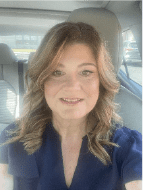
Certified and experienced Biology and Chemistry teacher
with 19 years of teaching AP Biology, and grade-level and
honors-level courses. Her students consistently achieve high
scores on AP exams and state tests due to my ability to
explain challenging concepts in clear, understandable ways.
With a deep level of expertise and a wide range of learning
and practice resources, she provides the tools and support
students need to succeed in mastering biology and
chemistry.
Biology/AP Biology Teacher
Certified and experienced Biology and Chemistry teacher with 19 years of teaching AP Biology, and grade-level and honors-level courses. Her students consistently achieve high scores on AP exams and state tests due to my ability to explain challenging concepts in clear, understandable ways. With a deep level of expertise and a wide range of learning and practice resources, she provides the tools and support students need to succeed in mastering biology and chemistry.

 Optimized by Seraphinite Accelerator